FENDER 0103-5251 Precision Bass Neck Natural Wood Maple Fretboard 70S
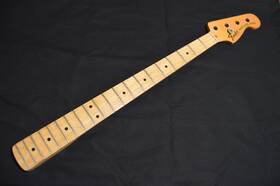
( Brand: Fender ), ( Manufacturer Part Number: 0103-5251 ), ( Type: Neck ), ( Color: Natural Wood ), ( Material: Maple ), ( To Fit: Bass Guitar ), ( Country Of Origin: United States )
Review FENDER Precision Bass Neck Natural Wood Maple Fretboard Original 70s Logo
The **Fender 0103-5251 1975 Precision Bass** is a meticulously crafted, high-performance instrument that embodies the raw, authentic spirit of the legendary basses that defined the golden era of rock, funk, and blues. This rare and highly sought-after model is a faithful reproduction of Fender s iconic 1970s Precision Bass, featuring a **natural wood body** that exudes a warm, organic tone with subtle grain variations and a rich, mid-heavy character that resonates with the vintage warmth of the originals. The **maple fretboard**, a hallmark of Fender s classic designs from the era, offers a smooth, buttery feel under the fingers, allowing for effortless playing and a crisp, articulate attack that cuts through even the densest rhythms. The **70s-style neck profile** is slightly thicker and more substantial than modern versions, providing a comfortable yet slightly more aggressive playing experience that mirrors the ergonomics of the original basses played by legends like James Jamerson, Lee Rocker, and Stanley Clarke.
The **1975 Precision Bass** is equipped with Fender s legendary **split-coil pickups**, which deliver a balanced, punchy low-end with a tight midrange and a touch of harmonic richness that makes it ideal for everything from groovy funk lines to tight, rhythmic rock grooves. The pickups are mounted in a classic single-coil configuration, offering a warm, slightly woody tone with a natural sustain that enhances the instrument s vintage charm. The **hardtail bridge**, another signature feature of the era, ensures stability and reliability, while the **adjustable bridge saddles** allow for precise intonation adjustments, a detail that was particularly appreciated by bassists who demanded precision in their playing.
Visually, this bass is a time capsule of the 1970s, with its **natural wood finish** a rare and desirable option that sets it apart from the more common sunburst or black finishes paired with the **white pickguard** and **black control knobs**, evoking the clean, understated elegance of the originals. The **single volume and tone knobs**, along with the **three-way toggle switch**, provide a straightforward yet versatile setup that allows players to dial in everything from tight, punchy tones to smoother, rounded sounds. The **abalone dot inlays** on the fretboard add a subtle touch of sophistication, while the **black pickguard** with its classic Fender logo gives it an authentic retro look that turns heads in any setting.
Underneath its sleek exterior, the **1975 Precision Bass** is built with the same attention to detail and craftsmanship that made Fender s instruments legendary. The **neck is bolt-on**, a feature that was standard in the 70s and adds to the bass s durability and ease of maintenance. The **rosewood fingerboard**, though not as common as maple in later models, contributes to the instrument s warm, resonant tone, while the **slotted tuners** ensure reliable tuning stability. Whether you re a collector seeking a piece of musical history or a musician looking for a bass with the authentic tone and playability of the original 1970s models, this **Fender 0103-5251** delivers an unmistakable blend of vintage charm and modern reliability.
Perfect for players who appreciate the raw, unfiltered character of the 70s, this Precision Bass is a true workhorse capable of handling everything from tight, rhythmic funk lines to soaring, melodic solos with equal ease. Its **natural wood body** not only enhances its tonal versatility but also adds a unique visual appeal, making it a standout instrument in any collection. Whether you re a fan of the classic rock soundscapes of the 70s or simply appreciate the timeless design of Fender s most iconic bass, this **1975 Precision Bass** is a testament to the enduring legacy of American instrument craftsmanship.
### **Pros and Cons of buying a Fender 0103-5251 (1975 Precision Bass, Natural Wood, Maple Fretboard, 70s Era)**
#### **Pros**
1. **Authentic Vintage Sound and Playability**
- The 1975 Precision Bass is known for its warm, slightly compressed tone, which is highly sought after in bass guitar circles. The natural wood body (likely alder or ash) contributes to a rich, mid-heavy response, ideal for funk, rock, and blues.
- The maple fretboard provides a bright, articulate tone with good sustain, making it versatile for different playing styles.
2. **Historical Significance and Collectibility**
- As a 70s-era Fender, this bass carries a strong vintage pedigree, particularly if it s in original condition. Many players and collectors value the craftsmanship and tonal characteristics of this era.
- If properly restored or maintained, it could appreciate in value over time, especially if it has a proven history (e.g., owned by a notable player or with original documentation).
3. **Reliability and Durability**
- Fender s build quality in the 1970s was robust, with solid construction that can last decades with proper care. The neck profile (likely a slightly thicker "70s-era" shape) is comfortable for many players, offering good intonation and stability.
- The single-coil pickups (likely a split-coil or standard P-Bass design) are durable and easy to replace if they wear out.
4. **Aesthetic Appeal**
- The natural wood finish gives the bass a classic, understated look that appeals to players who prefer a no-frills, timeless design. The sunburst or natural finish options from this era are highly desirable.
5. **Versatility for Different Genres**
- The tone of a well-set-up 1975 P-Bass works well in funk (e.g., James Jamerson-style), rock (e.g., Les Claypool, John Deacon), and even some modern genres where a vintage bass tone is preferred.
---
#### **Cons**
1. **Potential for Wear and Tear**
- A 1975 bass, especially one that has been played heavily, may show signs of aging, such as:- **Neck relief issues** (common in older Fenders; may require truss rod adjustments or a neck reset).
- **Worn frets** (70s frets were often less precise than modern ones; some may need leveling or replacement).
- **Pickup wear** (split-coil pickups can lose their punch over time; may need revoxing or replacement).
- **Body cracks or finish wear** (natural wood is prone to minor cracks, especially if the bass was stored improperly).
- A thorough inspection by a professional luthier is recommended before purchase.
2. **Higher Maintenance Requirements**
- Vintage instruments often require more upkeep than modern basses. This includes:- **Neck adjustments** (truss rod, relief, and intonation may need periodic tweaking).
- **Pickup replacement or revoxing** (split-coils can degrade; revoxing can restore their tone).
- **Neck resets** (if the neck is warped or relief is off, a full reset may be needed).
- **Finish restoration** (natural wood can dull or develop scratches over time).
3. **Cost of Restoration**
- If the bass is in poor condition, restoration costs can add up significantly. A full neck reset, fretwork, and pickup replacement could easily cost $500 $1,500 or more, depending on the extent of work needed.
- Even if the bass is in good shape, routine maintenance (e.g., fret dressing, pickup cleaning) will be more frequent than on a modern bass.
4. **Limited Modern Features**
- Unlike modern Fenders, this bass may lack:- **Active electronics** (if you prefer modern tone shaping).
- **Modern pickup designs** (split-coils are bright and punchy but may not suit players who prefer the smoother tone of modern P-Bass pickups).
- **Ergonomic improvements** (the neck profile may feel thicker or less comfortable to some players accustomed to modern shapes).
5. **Market Value and Availability**
- While vintage Fenders are desirable, the market can be saturated with examples of varying quality. You may struggle to find a truly authentic, well-documented 1975 model without paying a premium.
- If you re not a collector, the bass may not hold its value as well as a rare or player-used model.
6. **Playability Quirks**
- Some 70s P-Basses have:- **Slightly looser nut slots** (can cause intonation issues if not properly set).
- **Less precise fretwork** (some frets may be slightly uneven, affecting playability).
- **Original hardware** (e.g., vintage tuners or knobs, which may not be as reliable as modern replacements).
---
#### **Conclusion**
The **Fender 0103-5251 (1975 Precision Bass, Natural Wood, Maple Fretboard)** is a fantastic choice if you:- **Prioritize vintage tone and craftsmanship** over modern conveniences.
- **Are willing to invest time and money in maintenance** to keep it playing and sounding its best.
- **Appreciate the historical value** and aesthetic of a well-preserved 70s-era instrument.
- **Play in genres (funk, rock, blues) where the warm, slightly compressed tone shines**.
However, it may not be the best fit if you:- **Prefer low-maintenance instruments** and don t mind modern features like active electronics or ergonomic necks.
- **Are on a tight budget** and cannot afford restoration costs if the bass needs work.
- **Prioritize absolute precision in playability** (e.g., for fast solos or studio work where intonation is critical).
---
#### **Recommendation**
If you re serious about this bass: 1. **Get a professional inspection** before purchasing. Look for:- Neck relief (should be slightly concave for comfort and intonation).
- Fret condition (check for wear, leveling, and sharp edges).
- Pickup output and tone (split-coils should be bright but not overly harsh).
- Body cracks or structural integrity (especially if the wood is dry or split).
2. **Budget for maintenance**. Even if the bass is in good shape, allocate funds for:- Neck reset or truss rod adjustment.
- Fret leveling or dressing.
- Pickup replacement or revoxing if needed.
3. **Consider a backup plan**. If you re not ready for the commitment of a vintage bass, a **modern Fender P-Bass with vintage-style pickups** (e.g., a Player Series or American Professional II) can offer a similar tone with less hassle.
4. **Buy from a reputable dealer**. Look for sellers with:- Detailed documentation (serial number verification, service history).
- Photos showing the bass in person (not just online listings).
- A return policy or warranty for workmanship.
**Final Verdict:**This is a **great investment for collectors, vintage tone enthusiasts, and players who prioritize sound over modern conveniences**. If you re prepared for the maintenance and can appreciate its historical value, it will likely be a rewarding addition to your collection. However, if you re looking for a plug-and-play instrument with minimal upkeep, a modern bass with similar tonal characteristics might be a more practical choice.
Details:
If you re looking to finish a vintage restoration or high-end parts caster, this neck has the vibe you can't fake with relic job. This is a true 'players neck' with incredible natural amber aging and that perfect broken-in feel. Verified by the clear 'We bright' factory stamp and 52nd week of 1975 date code. Up for sale is a beautiful, authentic 1975 Fender Precision Bass neck.
Truss Rod - in working condition, turns both directions.
part #: 01035251 prices
- $1797.00-$2758.63
specifications necgui:
- brand: Fender
- mpn: 0103-5251
- type: Neck
- color: Natural Wood
- material: Maple
- to fit: Bass Guitar
- country of origin: United States
payments necgui:
- credit card: Mastercard
- wallet: Paypal
- other
offer necgui:
- sold: 0
- started: March 30, 2026
- options: Ship-to-home
- quantity: 1
- availability: In Stock
seller necgui:
- city: Braintree, Massachusetts
- # reviews: 484
- rating: 100.0%
returns necgui:
- policy: No Returns
general necgui:
- Parts Accessories > Guitar Bass Parts > Necks
- condition: Used
shipping necgui:
- service: USPS Ground Advantage
- cost: $11.12
- type: Fixed
- class: Standard
- carrier: USPS
- transit: 4-10 Days
Fender 0103-5251 Is Similar To:
- An2276 Stewmac Neck Pocket Routing Template For Fender Guitar (14.7% similar) Optional: use flat head screws dropped into the counter-sunk holes router glides right over them. It has a radius ed heel profile on one end, shaped for strategist, jaguar jazz master and mustang necks. Thickness: when the bearing can ride against cavity wall, remove template so you rout to ...(November 19th, 2018)
- 0072993-970 Fender American Standard Telecaster Neck Maple Rosewood (37.4% similar) Selling this new Fender telecaster American neck. May 19, 2008 stamped on the end. Serial number Z8105997 - made in originally bought new here on. Rosewood fretboard. Shipping is free to the lower 48 states...(February 18th, 2019)
- 0123195 Fender Left Handed Standard Stratocaster Replacement Neck (20.9% similar) This replacement neck is the perfect way to give your tel authentic Fender feel. 5 radius medium jumbo frets thickness at the 1ST fret pre drilled tuning pegs truss adjust how very Hendrix of you. A satin urethane finish stays fast and dry at all times, never tacky or sticky. The synthetic bone nut ...(February 6th, 2019)
- 0124192 Fender Left Handed Standard Telecaster Replacement Neck Maple (31.8% similar) A satin urethane finish stays fast and dry at all times, never tacky or sticky. Years in improper storage, heavy usage, and no maintenance are all things that can lead to a series of expensive repairs. The synthetic bone nut is pre-slotted with pilot grooves for accurate spacing when filing final ...(February 6th, 2019)
- 0124199 Fender Standard Series Telecaster Replacement Neck Maple (30.3% similar) 5 scale length why buy some other no name after market neck when you can get a genuine Fender replacement neck. Features standard series telecaster maple fretboard 25. The synthetic bone nut is pre-slotted with pilot grooves for accurate spacing when filing final string slots. This guarantees ...(February 6th, 2019)
- 0125191 Fender Classic Player Stratocaster Replacement Neck (20.4% similar) 5 radius soft v neck profile 21 medium jumbo frets pre-slotted synthetic bone nut gloss urethane finish vintage-style truss rod adjustment model: UPC 87. The synthetic bone nut is pre-slotted with pilot string location grooves to make spacing a breeze when performing final slot filing, and gloss ...(February 6th, 2019)
- 0689994548332 Fender Mim Strat Maple With Anniversary (31.2% similar) It is played in and feels great. Made in Mexico as part of the 2006 60TH anniversary diamond series. In the first 5 frets, there are a few playing marks as pictured. Only selling it because I prefer a rosewood neck, so am replacing this one. The neck is used and shows a few marks see images, dings...(September 15th, 2018)
- 0803879 Fender Squier Strat Neck (25% similar) This guitar neck is loaded, with tuners and two string trees. Squire strait neck by Fender up for sale, is a electric guitar...(September 28th, 2017)
- 099-0802-921 Fender Genuine Telecaster Neck Fat Shape Narrow Tall 885978071777 (39.8% similar) Some necks may have minor grain variations due to the organic nature of wood. These are not seconds or blames. This is perfectly normal and not a defect. This replacement neck is the perfect way to give your tel a classic 1951-STYLE playing feel. 5 radius maple fingerboard with frets. All wood is ...(February 15th, 2019)
- 099-3002-921 Fender Stratocaster Usa Replacement Neck (24.1% similar) A and original contour body head stock decals. Contours, finishes, fret sizes and all other materials are designed crafted in genuine Fender fashion. Made Fender strategist guitar maple neck features a slim modern c profile and 9.: Fender replacement necks are made at manufacturing facilities to the...(March 10th, 2017)