FENDER 184881 Neck Plate Screws
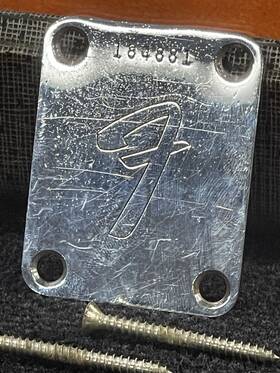
( Brand: Fender ), ( Manufacturer Part Number: 184881 ), ( Part Type: Plate ), ( To Fit: Electric Guitar )
Review FENDER Neck Plate And Screws Serial
The **Fender 1966 Neck Plate Screws (Part #184881)** are meticulously crafted, high-quality hardware designed to replicate the exact specifications of the original components used in Fender Stratocaster and Telecaster guitars from the mid-1960s. These screws are engineered to ensure a secure, authentic fit while maintaining the classic aesthetic and structural integrity of vintage Fender instruments. Made from durable, corrosion-resistant stainless steel, these screws feature a polished, brushed finish that not only enhances their visual appeal but also prevents oxidation, ensuring longevity even in humid or variable environments. Each screw is precision-machined with a **1/4-inch diameter** and a **20-thread-per-inch** pitch, matching the original Fender specifications to guarantee a snug, vibration-free attachment to the neck plate, bridge, or other metal components. The **hex head design** allows for easy installation and removal with standard Allen wrenches, while the slightly tapered shank ensures a tight grip without stripping. Whether restoring a classic guitar to its original condition or upgrading a modern instrument for authenticity, these screws provide the perfect blend of functionality and historical accuracy. Their compatibility with Fender s iconic neck plate system including the iconic "Fender" stamped metal plates makes them an essential part of any serious builder s or luthier s toolkit, ensuring that every adjustment or repair adheres to the exacting standards of the golden era of American guitar craftsmanship.
### Pros and Cons of Buying Fender 1966 Neck Plate Screws (Part Number 184881)
#### **Pros:**1. **Authentic Fit and Finish** These screws are designed specifically for Fender instruments from the 1960s, ensuring a seamless and historically accurate fit. They match the original hardware used in models like the Stratocaster, Telecaster, and Jazzmaster from that era.
2. **High-Quality Materials** Fender uses durable, corrosion-resistant materials for their hardware, which helps prevent rust and wear over time. This extends the lifespan of both the screws and the instrument.
3. **Compatibility with Vintage Instruments** If you own a 1960s Fender guitar or bass, these screws will integrate perfectly with the original design, maintaining the instrument s authenticity. They are also compatible with modern Fender instruments that feature a similar neck plate style.
4. **Easy Installation** The screws are standard-sized and designed for easy replacement. Most luthiers and guitar technicians can install them quickly, and DIYers with basic tools can do so without difficulty.
5. **Aesthetic Consistency** For collectors or players who prioritize vintage looks, these screws help preserve the original appearance of the instrument. They come in the correct finish (often nickel or brass-plated) to match the era.
6. **Reliability** Fender hardware is known for its durability, reducing the risk of loosening or stripping over time, which is particularly important for the neck plate, a critical structural component.
---
#### **Cons:**1. **Cost** Authentic Fender parts can be more expensive than generic or aftermarket alternatives. While the price is reasonable for a genuine Fender component, it may still be a higher upfront cost compared to non-branded screws.
2. **Limited Availability** These screws may not be as widely stocked as more common Fender parts. You might need to order them online or from a specialty retailer, which could involve shipping delays.
3. **Overkill for Non-Vintage Instruments** If you own a modern Fender guitar with a different neck plate design (e.g., a contemporary Stratocaster with a different screw pattern), these screws won t be compatible. In such cases, generic screws or those from a different Fender part number would suffice.
4. **Potential for Misuse** If the screws are not installed correctly (e.g., overtightened or with the wrong torque), they could strip the threads in the neck plate or cause damage to the instrument. This risk applies to any hardware replacement, not just Fender s.
5. **No Significant Performance Benefit** Unlike strings or pickups, neck plate screws do not directly affect tone or playability. Their primary purpose is structural and aesthetic, so upgrading them is more about authenticity and longevity than performance.
---
### **Conclusion:**Fender 1966 neck plate screws (184881) are a worthwhile investment if you own a vintage Fender instrument and prioritize authenticity, durability, and a historically accurate look. They are well-crafted, reliable, and designed to fit seamlessly into instruments from that era. However, if you re working on a modern guitar or don t need the vintage aesthetic, generic screws may be a more cost-effective alternative.
For collectors, restorers, or players who appreciate the details of vintage instruments, these screws are a small but meaningful upgrade. For everyone else, they offer peace of mind in terms of quality and fit, though the benefits are largely cosmetic and structural rather than tonal.
### **Recommendation:**- **Buy them if:** You own a 1960s Fender guitar/bass, are restoring a vintage instrument, or want to ensure your instrument s authenticity with original-spec hardware.
- **Skip them if:** You re working on a modern Fender with a different neck plate design, are on a tight budget, or don t prioritize vintage aesthetics over generic alternatives.
- **Alternative option:** If you re unsure, check compatibility with your instrument first. Generic nickel-plated machine screws (e.g., 6-32 x 1/2") can serve as a budget-friendly substitute for non-vintage guitars.
Details:
Unfortunately, two screws are missing but the I have here original. Early CBS-era Fender neck plate. Taken from a Mustang.
part #: 184881 price
- $209.99
specifications necgui:
- brand: Fender
- mpn: 184881
- part type: Plate
- to fit: Electric Guitar
payments necgui:
- wallet: Google-pay
- credit card: Diners-club
- other
offer necgui:
- sold: 0
- availability: In Stock
- quantity: 1
- options: Ship-to-home
- started: May 10, 2026
- best offers: True
seller necgui:
- # reviews: 570
- rating: 100.0%
- city: East Northport, New York
general necgui:
- condition: Used
- Parts Accessories > Guitar Bass Parts > Necks
returns necgui:
- policy: No Returns
shipping necgui:
- service: USPS Ground Advantage
- class: Standard
- type: Calculated
- transit: 4-10 Days
- cost: $19.94
- carrier: USPS
Fender 184881 Is Similar To:
- An2276 Stewmac Neck Pocket Routing Template For Fender Guitar (36% similar) Optional: use flat head screws dropped into the counter-sunk holes router glides right over them. It has a radius ed heel profile on one end, shaped for strategist, jaguar jazz master and mustang necks. Thickness: when the bearing can ride against cavity wall, remove template so you rout to ...(November 19th, 2018)
- 0072993-970 Fender American Standard Telecaster Neck Maple Rosewood (32.8% similar) Selling this new Fender telecaster American neck. May 19, 2008 stamped on the end. Serial number Z8105997 - made in originally bought new here on. Rosewood fret board. Shipping is free to the lower 48 states...(February 18th, 2019)
- 0123195 Fender Left Handed Standard Stratocaster Replacement Neck (22.8% similar) This replacement neck is the perfect way to give your tel authentic Fender feel. 5 radius medium jumbo frets thickness at the 1ST fret pre drilled tuning pegs truss adjust how very Hendrix of you. A satin urethane finish stays fast and dry at all times, never tacky or sticky. The synthetic bone nut ...(February 6th, 2019)
- 0124192 Fender Left Handed Standard Telecaster Replacement Neck Maple (27.1% similar) A satin urethane finish stays fast and dry at all times, never tacky or sticky. Years in improper storage, heavy usage, and no maintenance are all things that can lead to a series of expensive repairs. The synthetic bone nut is pre-slotted with pilot grooves for accurate spacing when filing final ...(February 6th, 2019)
- 0124199 Fender Standard Series Telecaster Replacement Neck Maple (28.3% similar) 5 scale length why buy some other no name after market neck when you can get a genuine Fender replacement neck. Features standard series telecaster maple fret board 25. The synthetic bone nut is pre-slotted with pilot grooves for accurate spacing when filing final string slots. This guarantees ...(February 6th, 2019)
- 0125191 Fender Classic Player Stratocaster Replacement Neck (24.1% similar) 5 radius soft v neck profile 21 medium jumbo frets pre-slotted synthetic bone nut gloss urethane finish vintage-style truss rod adjustment model: UPC 87. The synthetic bone nut is pre-slotted with pilot string location grooves to make spacing a breeze when performing final slot filing, and gloss ...(February 6th, 2019)
- 0803879 Fender Squier Strat Neck (32.1% similar) This guitar neck is loaded, with tuners and two string trees. Squire strait neck by Fender up for sale, is a electric guitar...(September 28th, 2017)
- 099-0802-921 Fender Genuine Telecaster Neck Fat Shape Narrow Tall 885978071777 (36.2% similar) Some necks may have minor grain variations due to the organic nature of wood. These are not seconds or blames. This is perfectly normal and not a defect. This replacement neck is the perfect way to give your tel a classic 1951-STYLE playing feel. 5 radius maple fingerboard with frets. All wood is ...(February 15th, 2019)
- 099-3002-921 Fender Stratocaster Usa Replacement Neck (25.5% similar) A and original contour body head stock decals. Contours, finishes, fret sizes and all other materials are designed crafted in genuine Fender fashion. Made Fender strategist guitar maple neck features a slim modern c profile and 9.: Fender replacement necks are made at manufacturing facilities to the...(March 10th, 2017)
- 099-5700-921 Fender American Special Stratocaster Neck (25.2% similar) Features maple neck w walnut stripe large fingerboard with 5 RADIUS22 jumbo frets pre-slotted synthetic bone nut bi-flex truss rod micro-tilt neck adjustment six two-guide-pin tuning machine holes. Contours, finishes, fret sizes and all other materials are designed crafted in genuine Fender fashion...(February 15th, 2017)