Wenge Wood Electric Guitar Neck Frets Fingerboard 313043461494
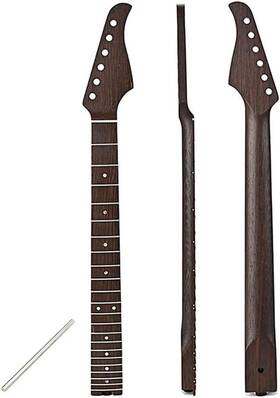
( Brand: Branded ), ( Product Dimensions: 5 X 2.5 X 0.75 Inches ), ( Material Type: Maple Wood ), ( Item Weight: 1.5 Pounds ), ( Body Material: Maple ), ( Color Name: Natural Maple ), ( Type: Neck ), ( Material: Rosewood ), ( To Fit: Electric Guitar ), ( Color: Black ), ( UPC: 313043461494 )
Review BRANDED Wenge Wood Electric Guitar Neck Frets Fingerboard
The **Wenge Wood Electric Guitar Neck (Part #313043461494)** represents a premium choice for luthiers, guitar builders, and discerning musicians seeking a neck with exceptional tonal depth, stability, and aesthetic appeal. Crafted from high-quality **Wenge wood**, a dense and resonant hardwood native to Central and West Africa, this neck offers a rich, warm, and slightly dark tonal character that enhances both the sustain and harmonic complexity of an electric guitar. Wenge s tight grain and natural density contribute to superior sustain and reduced string vibration, making it ideal for players who demand clarity and precision in their tone, particularly in genres like jazz, blues, and modern fusion where nuanced articulation is key. The fingerboard, likely constructed from the same Wenge or paired with a contrasting wood like ebony or rosewood for added durability, features a smooth, polished surface that ensures effortless playability, allowing for rapid fretwork and reduced finger fatigue during extended practice sessions or live performances.
Beyond its tonal and ergonomic advantages, the Wenge neck exudes a sophisticated, exotic aesthetic that elevates the visual appeal of any instrument it s installed in. The deep, chocolate-brown hue of Wenge, often veined with subtle streaks of lighter or darker tones, provides a striking contrast against lighter woods like alder or ash, making it a favored choice for custom builds where visual impact is as important as sonic performance. The neck s construction is designed with precision engineering in mind, featuring a **modern slim taper profile** that balances comfort for both drop and parallel tuning setups while maintaining structural integrity. The fretwork is meticulously crafted, with **high-quality, precision-ground frets** that ensure consistent intonation and a buttery-smooth feel under the fingers, reducing the likelihood of fret buzz and enhancing overall playability.
For guitarists and builders prioritizing longevity and versatility, the Wenge neck offers an ideal blend of durability and tonal flexibility. Its resistance to warping and humidity fluctuations makes it a reliable choice for instruments that will see frequent use or exposure to varying environmental conditions. Whether integrated into a high-end boutique guitar or a custom project aimed at achieving a specific tonal signature, this neck delivers a harmonious marriage of craftsmanship and performance. Its unique characteristics make it a standout component for those seeking to push the boundaries of their instrument s sound and appearance, ensuring that every note played resonates with both depth and character.
### Pros and Cons of buying a Wenge Wood Electric Guitar Neck (Part Number: 313043461494)
#### **Pros:**1. **Superior Tone and Sustain** Wenge is a dense, resonant hardwood known for its rich, warm midrange and extended high-end response. It enhances sustain and projection, making it ideal for genres like jazz, blues, and hard rock. The tight grain structure of wenge also contributes to a balanced, articulate tone with a slight emphasis on midrange frequencies, which can add depth and warmth to your playing.
2. **Durability and Stability** Wenge is one of the hardest and most stable woods used in guitar construction. It resists warping, cracking, and humidity fluctuations better than many other tonewoods, ensuring the neck remains straight and reliable over time. This makes it a great choice for players who travel frequently or store their guitars in varying conditions.
3. **Aesthetic Appeal** Wenge has a striking, dark brown to blackish hue with a subtle grain pattern that adds visual depth to the guitar. It pairs well with lighter fingerboard woods (like ebony or maple) and creates a sleek, high-end look that appeals to many players and collectors.
4. **Versatility Across Genres** While often associated with jazz and blues, wenge s balanced tone works well in a variety of styles, including rock, metal (especially when paired with a heavier pick), and even some experimental or fusion playing. Its neutral yet articulate response makes it adaptable to different playing techniques and amp settings.
5. **Value for High-End Players** If you re a serious player or collector, a wenge neck can significantly increase the resale value of your guitar. Many high-end models (e.g., Gibson ES, PRS Custom, or boutique guitars) feature wenge for this reason, making it a desirable upgrade or original feature.
6. **Comfortable Playability** Wenge s smooth finish and stability contribute to a comfortable playing experience. The neck s rigidity can also reduce fret buzz, especially if the guitar is well-set up, leading to a more precise and responsive feel.
7. **Long-Term Investment** Because wenge is less common than woods like mahogany or maple, a guitar with this neck may appreciate in value over time, particularly if it s from a reputable manufacturer or a custom shop.
---
#### **Cons:**1. **Higher Cost** Wenge is one of the more expensive tonewoods due to its density, durability, and popularity in high-end guitars. This can make the guitar more expensive upfront compared to models with maple, mahogany, or rosewood necks. The part number you provided (313043461494) suggests it s likely a high-quality, possibly OEM or aftermarket neck, which may also come at a premium.
2. **Heavier Weight** Wenge is dense, which means the neck (and potentially the entire guitar) will feel heavier than guitars made with lighter woods like ash or alder. This can be tiring for players who prefer lighter instruments, especially during long sessions or live performances.
3. **Limited Availability** Wenge is not as widely sourced as other tonewoods, which can lead to higher prices and longer lead times for custom or replacement parts. If you re replacing a neck, finding a matching wenge neck (especially for vintage or discontinued models) may require extra effort.
4. **Potential for Harsh Highs** While wenge is known for its warmth, some players report that it can produce slightly harsh or boxy highs, particularly when played with heavy gain or bright pickups. This may require tweaking your amp settings or using a high-end pickup (e.g., humbuckers with a smoother output) to balance the tone.
5. **Maintenance Considerations** The dark color of wenge can show scratches, dents, or wear more visibly than lighter woods. While this is more of an aesthetic concern, it may require more careful handling to maintain the neck s appearance over time.
6. **Not Ideal for All Playing Styles** While versatile, wenge may not be the best choice for players who prioritize bright, twangy tones (common in country or funk) or those who prefer the slightly softer, more forgiving feel of woods like mahogany. If you re used to a lighter, more responsive neck, the density of wenge might feel less "playable" initially.
7. **Potential for Mismatched Vintage Guitars** If you re replacing a neck on a vintage or older guitar, a modern wenge neck might not match the original materials perfectly in terms of weight balance, intonation, or even the guitar s historical integrity. This is more of a concern for purists or collectors.
---
### **Conclusion:**The wenge wood electric guitar neck (part number 313043461494) is an excellent choice for players who prioritize tone quality, durability, and aesthetic appeal. Its warm, resonant midrange and stability make it ideal for jazz, blues, rock, and other genres where a balanced, articulate sound is desired. The neck s hardness and resistance to warping also ensure long-term reliability, making it a solid investment for serious musicians.
However, the higher cost, increased weight, and potential tonal quirks (such as harsh highs) may not suit everyone. Players who prefer lighter guitars, brighter tones, or a more forgiving neck feel might find alternatives like mahogany or maple more appealing. Additionally, the limited availability of wenge could be a drawback if you re looking for a quick or budget-friendly replacement.
Ultimately, whether this neck is the right choice depends on your playing style, budget, and priorities. If you value tone depth, durability, and a premium feel, wenge is a fantastic option. If you re concerned about weight or cost, weigh these factors against your needs before making a decision.
---
### **Recommendation:**- **Buy it if:** You play genres like jazz, blues, or rock where a warm, articulate tone is essential; you prioritize durability and stability; or you re building a high-end guitar and want the best possible neck for tone and resale value.
- **Consider alternatives if:** You prefer a lighter guitar, brighter tones, or a more budget-friendly option. Woods like mahogany (warmer, slightly softer), maple (brighter, snappier), or rosewood (richer low-end) might better suit your needs.
- **For replacement necks:** Ensure the wenge neck matches the original guitar s weight balance and playability. If you re unsure, consult a luthier or the manufacturer for guidance on setup and adjustments.
If you re confident in your choice, the wenge neck is a fantastic upgrade that will enhance your guitar s performance and character for years to come.
Details:
CONSTRUCTION: Premium maple neck with rosewood fingerboard, crafted specifically for Ibo electric guitars, ensuring excellent play ability and tone DIMENSIONS: 25.5-inch scale length 22 frets, providing standard full-size guitar specifications precise intonation COMPATIBILITY: Direct replacement part designed to fit guitars bolt-on mounting FRETBOARD: Smooth fingerboard fret installation traditional inlays easy note reference HARDWARE: Includes pre-drilled holes a truss rod adjustment, allowing proper setup string action adjustment.
specifications necgui:
- brand: Branded
- product dimensions: 5 X 2.5 X 0.75 Inches
- material type: Maple Wood
- item weight: 1.5 Pounds
- body material: Maple
- color name: Natural Maple
- type: Neck
- material: Rosewood
- to fit: Electric Guitar
- color: Black
- upc: 313043461494
returns necgui:
- method: Money back
- time: 30 Days
- paid by: Buyer
- policy: Returns Accepted
payments necgui:
- wallet: Google-pay
- other
- credit card: Diners-club
shipping necgui:
- type: Fixed
- class: Economy
- cost: $19.99
- service: Economy
- transit: 7-14 Days
offer necgui:
- options: Ship-to-home
- availability: In Stock
- sold: 0
- quantity: 4
- started: May 20, 2026
general necgui:
- condition: New
- Parts Accessories > Guitar Bass Parts > Necks
seller necgui:
- city: Niagara Falls, New York
- rating: 98.1%
- # reviews: 898
Branded 313043461494 Is Similar To:
- Branded Guitar1 Guitar Neck Shims 3pcs Solid Maple Wood Shim Protection Wooden Bolt-on N (32.3% similar) Autos template. Guitar neck shims 3PCS solid maple wood shim protection wood en bolt-on...(July 23rd, 2025)
- Branded 445048691613 Guitar Maple Wood Neck With Rosewood Fingerboard Fit Lp Les Paul Sg (48.4% similar) Package include. Tuner hole size: 11/32 - for vintage tuners;. The neck is perfectly straight and polished. Fret board wood: rosewood with binding. Easy to install: there are 10MM diameter head machine peg holes for tuner installation. Item 100% like the picture shown. Neck wood: maple. Truss rod ...(October 15th, 2025)
- Branded 313033449495 Black Maple Wood Guitar Neck 24 Frets Rosewood Fingerboard Fit Ibanez Guitars (65.5% similar) The neck is perfectly straight, smooth and polished. Inlay: orange only for right-handed version guitar. Neck wood: maple. Scale length : 25-1/2. These premium wood make the sound brighter and louder, ensuring outstanding sustain. Truss rod adjust: at head stock. Fret board is made of rosewood. ...(October 15th, 2025)
- Branded 445035814827 22 Frets Rosewood Fingerboard Guitar Maple Wood Neck (45.2% similar) Frets: 22 frets. Heel width : 5.06CM. Heel depth: approx. Package include. 2CM 0.8IN ; with fingerboard 2.6CM 1IN. Peg holes diameter: 10MM. width at nut: approx. Position mark dots: white. Specifications. Guitar neck total length : approx. Neck wood: maple...(October 17th, 2025)
- Branded 313017853850 Diy Project Guitar Maple Wood Neck 24 Frets Rosewood Fretboard (60.3% similar) 24.75 inch scale length for comfortable play ability:the scale guitar neck provides ideal string tension and spacing comfortable playing, making it perfect various musical styles while maintaining that classic vintage feel sound musicians love. Precision bolt-on design for easy installation:this ...(November 18th, 2025)
- Branded 445001743724 24 Frets Rosewood Fingerboard Guitar Maple Wood Neck (43.8% similar) Solid maple construction bright, snappy tone with enhanced sustain. Whether you're shredding solos or playing rhythm, the 24 fret neck provides smooth access to all frets, ensuring effortless play ability across entire fingerboard. Premium maple construction with rosewood fingerboard this 24 fret ...(November 18th, 2025)
- Branded 445020173182 Mahogany Wood Guitar Neck With 22 Frets Rosewood Fingerboard (64.9% similar) Inlay: nice inlaid. You can put it on your guitar and get ready to rock in no time. If there are slight differences with your guitar body pocket size, please make adjustments to achieve a perfect match. Durable materials:crafted from durable mahogany wood with a rosewood fret board for smooth ...(November 18th, 2025)
- Branded 445010227208 Wenge Wood Electric Guitar Neck 22 Frets Fingerboard Fretboard (82.1% similar) The effective chord length of the neck electric guitar is 25.5 648MM for more dimensions, you can refer to picture or contact me. Made of wenge which is more sturdy and pre-slotted beef bone nut. Oil base clear lacquer on electric guitar neck for smooth feel. High-quality wenge fret board with 9.5...(November 20th, 2025)
- Branded 711181374049 Left Handed 4 String Bass Maple Neck Rosewood Fingerboard 22 Frets (52.5% similar) This high-quality neck delivers the feel and tone, giving it a brand new life without buying whole instrument. Features a standard heel pocket for straightforward installation.handcrafted items may have millimeter-level variations. Smooth play ability finish the neck is expertly shaped for a ...(November 20th, 2025)
- Branded 726085003568 4 String Bass Maple Wood Neck Rosewood Fingerboard 20 Frets (49.7% similar) Features a standard heel pocket for straightforward installation.handcrafted items may have millimeter-level variations. Smooth play ability finish the neck is expertly shaped for a comfortable hand feel, allowing fast and smooth movement along the fret board. Solid maple construction for sustain ...(November 20th, 2025)