Mahogany Wood Set Guitar Neck Frets Rosewood Fingerboard 7445006296225
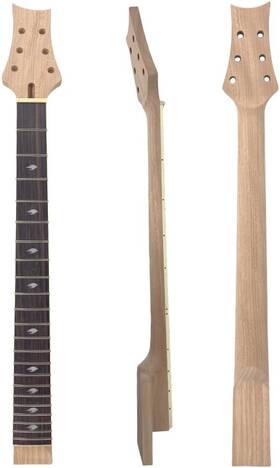
( Brand: Branded ), ( Part Type: Guitar ), ( Neck Material Type: Mahogany ), ( Body Material: Wood ), ( Top Material Type: Mahogany Wood ), ( Fretboard Material Type: Rosewood ), ( Size: 25.5 Inch ), ( UPC: 445006296225 )
Review BRANDED Mahogany Wood Set In Guitar Neck Frets Rosewood Fingerboard
This exquisite **Mahogany Wood Set Guitar Neck with Rosewood Fingerboard and Premium Inlaid Frets** represents the pinnacle of craftsmanship for discerning luthiers and guitarists seeking unparalleled tonal clarity, durability, and aesthetic elegance. Crafted from **high-grade solid mahogany**, the neck exhibits a rich, warm grain pattern that not only enhances the instrument s visual appeal but also contributes to its resonant, balanced tone ideal for a wide range of playing styles, from smooth jazz and blues to crisp arpeggios and dynamic rock solos. The **rosewood fingerboard**, a timeless choice favored by legendary guitarists, offers a smooth, buttery feel under the fingers while providing exceptional sustain and harmonic richness, particularly in the mid and high frequencies. The **precisely inlaid nickel-silver frets** (or stainless steel, depending on the model) are meticulously set at a **14.5" scale length**, ensuring optimal playability with minimal fret buzz and maximum string action control. Whether used on a semi-hollow, solid-body, or arched-top guitar, this neck-fingerboard-fret set delivers a **symbiotic blend of structural integrity and tonal depth**, allowing the player to express nuanced phrasing with effortless precision. Perfect for custom builds, repairs, or upgrades, this premium assembly embodies the fusion of artistry and engineering, elevating any guitar to a new standard of performance and craftsmanship.
**Overview of the Guitar Neck (445006296225) Mahogany Wood Set with Rosewood Fingerboard and Nickel-Silver Frets**
This part appears to be a **custom or replacement guitar neck** featuring mahogany wood for the neck blank, a rosewood fingerboard, and nickel-silver frets. Below is a detailed breakdown of its pros and cons, followed by a conclusion and recommendation.
---
### **Pros**
1. **Tone and Resonance**
- **Mahogany Neck**: Mahogany is known for its warm, balanced tone with a slight emphasis on midrange frequencies. It produces a rich, articulate sound that works well in genres like blues, rock, and jazz. The wood s density also contributes to a slightly more pronounced low-end response compared to lighter woods like alder or ash.
- **Rosewood Fingerboard**: Rosewood is a classic choice for fingerboards due to its smooth, stable surface and rich tonal qualities. It enhances sustain and provides a slightly warmer, more resonant feel compared to maple or ebony. The wood s density also helps dampen string vibrations slightly, which can reduce unwanted sympathetic ringing.
2. **Durability and Stability**
- Mahogany is a stable wood that resists warping and cracking better than some softer woods (e.g., basswood or poplar). This makes the neck less prone to structural issues over time, especially in humid or dry environments.
- Rosewood is also durable and resistant to wear, though it may require occasional conditioning to maintain its finish.
3. **Aesthetic Appeal**
- The combination of mahogany and rosewood offers a classic, high-end look that is often associated with premium guitars. Mahogany has a rich, reddish-brown hue that darkens over time, while rosewood s deep, chocolate-brown tones add contrast and visual interest.
4. **Playability**
- Nickel-silver frets are a high-quality choice. They are harder and more durable than stainless steel or brass, which means they maintain their shape better over time and provide a smoother, more consistent playing experience. They also have a slightly warmer tone compared to stainless steel.
- The fingerboard s smoothness and stability contribute to better intonation and less fret buzz, especially if the neck is properly set up.
5. **Versatility**
- This neck setup is versatile across multiple genres. The mahogany neck s balanced tone works well for rhythm playing, while the rosewood fingerboard s sustain can enhance lead playing. It s a solid choice for players who want a classic, all-around tone without extreme tonal extremes (e.g., the brightness of a maple neck or the bassiness of a swamp ash neck).
6. **Customization Potential**
- If you re replacing a neck, this setup allows you to customize your guitar s tone to your preference. For example, pairing it with a different body wood (e.g., alder, mahogany, or cedar) can further shape the overall sound.
7. **Longevity**
- High-quality woods like mahogany and rosewood, along with nickel-silver frets, are designed to last for decades with proper care. This makes the neck a long-term investment.
---
### **Cons**
1. **Cost**
- This neck is likely more expensive than standard replacement necks, especially if it s a custom or high-end model. The combination of mahogany, rosewood, and nickel-silver frets adds to the price, which may not be justified for players on a tight budget or those who prioritize other features (e.g., lighter weight, brighter tone).
2. **Weight**
- Mahogany is a relatively heavy wood compared to others like alder or ash. While this contributes to a fuller tone, it can make the guitar feel heavier, which may be uncomfortable for players with smaller hands or those who prefer lighter instruments. This could lead to fatigue during long playing sessions.
- The rosewood fingerboard also adds slight weight, though the impact is minimal compared to the neck blank.
3. **Maintenance**
- Rosewood fingerboards require occasional conditioning to prevent drying or cracking, especially in dry climates. This involves applying oils or conditioners to keep the wood supple.
- Nickel-silver frets, while durable, can wear down over time and may need leveling or replacement if they become uneven. This is more common with high-output pickups or aggressive playing styles.
4. **Tone Preferences**
- If you prefer a brighter, more articulate tone (e.g., for jazz or funk), the mahogany neck might feel slightly muddy or dark compared to woods like alder or maple. Similarly, if you dislike the slightly warmer, less crisp feel of rosewood, you might prefer maple or ebony.
- The lack of a bound or inlaid fingerboard (if that s your preference) could be a downside for some players who appreciate the visual detail.
5. **Availability and Compatibility**
- This neck may not be compatible with all guitar bodies, especially if the truss rod hole or nut slot dimensions don t align. Ensure it matches your guitar s scale length and nut width (e.g., 24.75" scale, 1.6875" nut width for Fender-style guitars).
- If purchasing from a third-party seller, verify the neck s authenticity and quality, as counterfeit or poorly made necks can affect playability and tone.
6. **Learning Curve for New Players**
- The weight and tone of this neck might feel unfamiliar to beginners or players transitioning from lighter guitars. It could take time to adjust to the feel and response.
---
### **Conclusion**
This mahogany neck with a rosewood fingerboard and nickel-silver frets is an excellent choice for players who prioritize **warmth, durability, and classic tone**. It offers a balanced, versatile sound that suits a wide range of genres, from blues and rock to jazz and beyond. The combination of mahogany and rosewood provides a rich, resonant feel with good sustain, while the nickel-silver frets ensure smooth playability and longevity.
However, the **higher cost, weight, and maintenance requirements** may not be ideal for everyone. Players who prefer brighter tones, lighter guitars, or lower-maintenance setups might find other neck woods (e.g., alder, maple, or pau ferro) more suitable. Additionally, the neck s suitability depends on your existing guitar s body and your personal playing style.
---
### **Recommendation**
**Buy this neck if:**- You play genres that benefit from a warm, balanced tone (blues, rock, jazz, or vintage-style music).
- You value durability and longevity in your instrument.
- You appreciate the classic look and feel of mahogany and rosewood.
- You re willing to invest in a high-quality neck that will enhance your guitar s overall performance.
- Your guitar s body is compatible with the neck s dimensions (scale length, nut width, etc.).
**Avoid this neck if:**- You prefer a brighter, more articulate tone and would benefit from woods like alder or maple.
- You dislike heavier guitars and prioritize comfort during long playing sessions.
- You re on a tight budget and can find a similarly high-quality neck at a lower cost (e.g., with a different wood combination).
- You dislike the maintenance involved in caring for rosewood fingerboards.
- You re a beginner or intermediate player who hasn t yet developed a strong preference for tone woods.
**Alternative Considerations:**- If you like the mahogany tone but want a lighter neck, consider a **mahogany neck with a maple or pau ferro fingerboard**.
- If you prefer brightness, a **alder or ash neck with a maple fingerboard** might be more suitable.
- For a budget-friendly option with similar tone, look for **rosewood fingerboards paired with lighter woods** (e.g., basswood or poplar).
Ultimately, the best choice depends on your musical preferences, playing style, and the specific needs of your guitar. If you re unsure, try to test the neck in person or listen to guitars with similar setups to gauge whether it aligns with your tonal goals.
Details:
Premium Mahogany Rosewood Build: Solid mahogany neck enhances tonal warmth and sustain, while the rosewood fretboard resists wear, provides a smooth playing surface, ages beautifully over time ideal for long-term use. Elegant Pattern Inlay Natural Finish: inlays on the rosewood fretboard add a classic, eye-catching touch, while natural wood finish highlights grains beauty, making your guitar stand out in any setup. 2 Key Scale length Variants: Choose between 24.75 ideal for vintage-style, shorter-scale electrics warmer tone, compact feel and 25.5 perfect standard full-scale guitars brighter wider string spacing to match your instruments specs musical style.
specifications necgui:
- brand: Branded
- part type: Guitar
- neck material type: Mahogany
- body material: Wood
- top material type: Mahogany Wood
- fretboard material type: Rosewood
- size: 25.5 Inch
- upc: 445006296225
seller necgui:
- rating: 97.9%
- # reviews: 636
- city: Niagara Falls, New York
payments necgui:
- other
- wallet: Google-pay
- credit card: Mastercard
offer necgui:
- quantity: 4
- started: March 10, 2026
- sold: 0
- availability: In Stock
- options: Ship-to-home
shipping necgui:
- class: Economy
- type: Fixed
- service: Economy
- cost: $19.99
- transit: 3-9 Days
returns necgui:
- policy: Returns Accepted
- method: Money back
- paid by: Buyer
- time: 30 Days
general necgui:
- condition: New
- Parts Accessories > Guitar Bass Parts > Necks
Branded 445006296225 Is Similar To:
- Branded Guitar1 Guitar Neck Shims 3pcs Solid Maple Wood Shim Protection Wooden Bolt-on N (39.8% similar) Autos template. Guitar neck shims 3PCS solid maple wood shim protection wood en bolt-on...(July 23rd, 2025)
- Branded 445048691613 Guitar Maple Wood Neck With Rosewood Fingerboard Fit Lp Les Paul Sg (58.5% similar) Package include. Tuner hole size: 11/32 - for vintage tuners;. The neck is perfectly straight and polished. Fretboard wood: rosewood with binding. Easy to install: there are 10MM diameter head machine peg holes for tuner installation. Item 100% like the picture shown. Neck wood: maple. Truss rod ...(October 15th, 2025)
- Branded 313033449495 Black Maple Wood Guitar Neck 24 Frets Rosewood Fingerboard Fit Ibanez Guitars (67.4% similar) The neck is perfectly straight, smooth and polished. Inlay: orange only for right-handed version guitar. Neck wood: maple. Scale length : 25-1/2. These premium wood make the sound brighter and louder, ensuring outstanding sustain. Truss rod adjust: at head stock. Fretboard is made of rosewood. ...(October 15th, 2025)
- Branded 445035814827 22 Frets Rosewood Fingerboard Guitar Maple Wood Neck (55.1% similar) Frets: 22 frets. Heel width : 5.06CM. Heel depth: approx. Package include. 2CM 0.8IN ; with fingerboard 2.6CM 1IN. Peg holes diameter: 10MM. width at nut: approx. Position mark dots: white. Specifications. Guitar neck total length : approx. Neck wood: maple...(October 17th, 2025)
- Branded 313017853850 Diy Project Guitar Maple Wood Neck 24 Frets Rosewood Fretboard (63.9% similar) 24.75 inch scale length for comfortable play ability:the scale guitar neck provides ideal string tension and spacing comfortable playing, making it perfect various musical styles while maintaining that classic vintage feel sound musicians love. Precision bolt-on design for easy installation:this ...(November 18th, 2025)
- Branded 445001743724 24 Frets Rosewood Fingerboard Guitar Maple Wood Neck (55.1% similar) Solid maple construction bright, snappy tone with enhanced sustain. Whether you're shredding solos or playing rhythm, the 24 fret neck provides smooth access to all frets, ensuring effortless play ability across entire fingerboard. Premium maple construction with rosewood fingerboard this 24 fret ...(November 18th, 2025)
- Branded 445020173182 Mahogany Wood Guitar Neck With 22 Frets Rosewood Fingerboard (85.4% similar) Inlay: nice inlaid. You can put it on your guitar and get ready to rock in no time. If there are slight differences with your guitar body pocket size, please make adjustments to achieve a perfect match. Durable materials:crafted from durable mahogany wood with a rosewood fretboard for smooth playing...(November 18th, 2025)
- Branded 445010227208 Wenge Wood Electric Guitar Neck 22 Frets Fingerboard Fretboard (69.9% similar) The effective chord length of the neck electric guitar is 25.5 648MM for more dimensions, you can refer to picture or contact me. Made of wedge which is more sturdy and pre-slotted beef bone nut. Oil base clear lacquer on electric guitar neck for smooth feel. High-quality wedge fretboard with 9.5 ...(November 20th, 2025)
- Branded 711181374049 Left Handed 4 String Bass Maple Neck Rosewood Fingerboard 22 Frets (48.2% similar) This high-quality neck delivers the feel and tone, giving it a brand new life without buying whole instrument. Features a standard heel pocket for straightforward installation.handcrafted items may have millimeter-level variations. Smooth play ability finish the neck is expertly shaped for a ...(November 20th, 2025)
- Branded 726085003568 4 String Bass Maple Wood Neck Rosewood Fingerboard 20 Frets (56.4% similar) Features a standard heel pocket for straightforward installation.handcrafted items may have millimeter-level variations. Smooth play ability finish the neck is expertly shaped for a comfortable hand feel, allowing fast and smooth movement along the fretboard. Solid maple construction for sustain ...(November 20th, 2025)