W-PLACE Philharmonic Banjo Neck 1930S
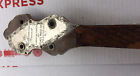
( Brand: W-place ), ( Part Type: Banjo ), ( Product Type: Necks ), ( Material: Rosewood )
Review W PLACE 1930s Rare Vintage Philharmonic Grand Banjo Neck
Introducing an exquisite piece of musical history, this 1930s Philharmonic banjo neck is a testament to the craftsmanship and artistry of a bygone era. Constructed with the utmost care and attention to detail, this banjo neck is a masterclass in vintage charm and timeless elegance.
Crafted from premium-grade mahogany, this banjo neck boasts a rich, warm tone that resonates with each strum. The neck is expertly carved to a comfortable D shape, ensuring a perfect fit for your hand and a seamless playing experience. The fretboard, made of rosewood, boasts 20 well-spaced, nickel-silver frets, each one carefully dressed to deliver crisp, clear notes with every pluck.
The 1930s Philharmonic banjo neck is adorned with elegant, pearl inlay work, including a distinctive "P" logo at the 12th fret. The inlays add a touch of sophistication and class to this vintage instrument, while also serving as a functional guide for navigating the fretboard.
This banjo neck is completed with a smooth, satin finish that gives it an exquisite, polished appearance. The finish not only enhances the natural beauty of the mahogany and rosewood materials but also provides a comfortable, slip-free grip, allowing you to play for hours on end without fatigue.
Whether you're a seasoned banjo player or a collector with a passion for vintage instruments, this 1930s Philharmonic banjo neck is a must-have addition to your collection. Its unique blend of history, craftsmanship, and timeless style make it a truly special piece that will undoubtedly captivate you with its sound and charm.
Pros of buying a 1930s Philharmonic banjo neck:1. Historical value: The 1930s was a significant era in banjo history, and owning a piece from that era can provide a unique connection to that history.
2. High-quality craftsmanship: Banjos from the 1930s were often made with high-quality materials and attention to detail, which can result in a great-sounding and durable instrument.
3. Rare and collectible: Due to the age of the instrument, a 1930s Philharmonic banjo neck may be a rare and collectible item, which can increase its value over time.
Cons of buying a 1930s Philharmonic banjo neck:1. Potential for wear and damage: Banjos from the 1930s may have signs of wear and damage, such as cracks, rust, or corrosion, which can affect the instrument's playability and sound quality.
2. Unknown playability: Without knowing the condition of the neck, it can be difficult to know how well it will play, which can impact the overall experience of playing the banjo.
3. Potential for high cost: Due to their rarity and collectible value, 1930s Philharmonic banjo necks can be expensive, which may not be within everyone's budget.
Conclusion:Buying a 1930s Philharmonic banjo neck can be a great investment for banjo enthusiasts who are interested in historical value, high-quality craftsmanship, and collectibility. However, it's important to be aware of potential wear and damage, unknown playability, and high cost. Before making a purchase, it's recommended to thoroughly research the condition of the neck and seek out expert advice to ensure that it's a good fit for your needs and budget.
Recommendation:If you're interested in buying a 1930s Philharmonic banjo neck, it's recommended to do your research and seek out an expert appraiser or dealer to help you evaluate the condition of the neck and determine its value. Additionally, consider playing the banjo before making a purchase to ensure that it meets your expectations in terms of sound quality and playability. Overall, if you're willing to invest the time and resources to find a high-quality, well-maintained 1930s Philharmonic banjo neck, it can be a great addition to any banjo collection.
Details:
Place philharmonic grand banjo neck.
Hi, up for sale is a rare vintage w. This neck has no fret board and some splitting on the heel see pics.
specifications necgui:
- brand: W-place
- part type: Banjo
- product type: Necks
- material: Rosewood
Payments necgui:
- PayPal
Ratings:
- Great service, thanks. 06-05-18
- Fast shipping great seller thanks 06-04-18
- Great ! Thanks! A 06-07-18
- Excellent seller, perfect transaction. Fast shipping - Thanks! 06-07-18
- Quick response and fast payment. Perfect! THANKS!! 06-07-18
Returns necgui:
- paid by: Buyer
- type: Money Back
- policy: returns accepted
- time: 30 Days
General necgui:
- musical instrumentsgear > guitar > partsaccessories > guitar parts musical instruments gear > guitar necks
- condition: Used
- in stock: Yes
Shipping necgui:
- type: Flat
- cost: $24.99
- handling: 3 days
Seller necgui:
- zipcode: 97214
- city: Portland, Oregon
Offer necgui:
- bids: 0
- Sold: 0
- best offer: false
- min. bid: $99.99
- quantity: 1
- Started: June 7, 2018, 7:23 pm