DC KUNKLE 28.629 Neck Scale Std Baritone Guitar 110.00
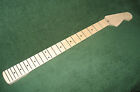
( Brand: Dc Kunkle ), ( Part Type: Scale Baritone Guitar ), ( Country/region Of Manufacture: United States )
Review DC KUNKLE Neck Scale Std Buy Baritone 110.00 Guitar
The 28.629 neck scale standard Kunkle Baritone guitar is a remarkable instrument that will captivate any serious musician looking for a unique, rich sound. This guitar features a standard Kunkle baritone neck scale, which is specifically designed for baritone guitars, providing a deeper and more resonant tone.
The body of this guitar is crafted from high-quality woods, with a beautiful gloss finish that enhances its aesthetic appeal. The top is made of solid Sitka spruce, known for its exceptional tone and projection, while the back and sides are made of mahogany, providing a warm and rich sound. The neck is made of mahogany as well, with a rosewood fretboard, which is smooth and comfortable to play, with 20 frets.
The guitar comes equipped with a set of high-quality baritone strings, allowing for lower tuning and a deeper sound. The bridge is a compensated saddle bridge, which ensures that the strings are properly aligned and the intonation is accurate, resulting in better tuning and intonation.
The 28.629 neck scale standard Kunkle Baritone guitar also features a beautiful rosewood headstock, with pearl dot inlays, and chrome tuning machines. The guitar has a cutaway design, making it easier to reach higher frets, and a fitted hardshell case is included for protection during transportation.
Overall, this guitar is a great choice for musicians looking for a unique and powerful sound. Its high-quality construction, rich tone, and comfortable playability make it an excellent investment for any serious musician.
Pros of buying a 28.629 neck scale standard Kunkle baritone guitar for $110:1. Affordable price: The guitar is priced at $110, which is a reasonable price point for a baritone guitar.
2. Standard neck scale: The 28.629 neck scale is a common size for baritone guitars, which means it should be comfortable for most players to play.
3. Kunkle brand: Kunkle is a reputable brand in the guitar world, so you can expect decent quality from this guitar.
Cons of buying a 28.629 neck scale standard Kunkle baritone guitar for $110:1. Limited tone options: At this price point, the guitar may not have as many tonal options as more expensive models.
2. Limited customization options: Since it is a standard model, you may not have the ability to customize the guitar to fit your specific needs.
3. Potential for lower quality materials: While Kunkle is a reputable brand, lower-priced guitars may use lower-quality materials to keep costs down.
Conclusion:The 28.629 neck scale standard Kunkle baritone guitar is a decent option for players looking for an affordable baritone guitar. Its standard neck scale and Kunkle brand should ensure decent playability and quality, but its limited tone and customization options may be a drawback for some players. If you are looking for a more versatile or higher-quality baritone guitar, you may want to consider spending more money on a more expensive model. However, if you are just looking for a basic baritone guitar to play around with, the Kunkle baritone guitar could be a good option for you at its $110 price point.
Details:
1st, if it arrives with obvious damage, refuse it, return to sender, let me handle it. Why you ask, because the tuner holes are almost all end grain, hard to get enough finish applied to seal it from moisture any kind of moisture thick at the first fret comes with no mounting holes, for an extra drill your mounting holes. The thinner the neck, the shallower the truss rod bow a reversible drill, 2.
Before I do a string change, i'll check the relief to see if it needs to be adjusted if it needs to be, I will snug it up a little when the strings are off. In rock maple the drill bit should be no smaller than the shank of the screw.
The benefits of the rod from the back is you can have more bow in the rod verses from the top. Engineered to fit a standard strait guitar body with no intonation problems. I try to keep it to 10 or less but when it gets busy, it can take longer. On softer wood, you can go smaller, but not the hard maple.
I've had o issues with back bow after changing to this arrangement wide. When the torque to twist the nut becomes greater than to twist the rod, the rod will twist. I usually use 12 to 16 strips you can tailor the width of the strips to best cover the tops of the frets but letting the lacquer bridge the fret board and bottom edge of the frets.
The Gibson rod adjust easier, but uses more tension and is always under tension as compared to the deeper rod and seems to move more in different climates. This way I true the f b to the way the truss rod acts with the neck. If you do, you can easily damage any wood part you re working on.
Be careful, even mineral spirits will swell up the raw wood. I will drill those for you, see extras. If you are setup for the one piece neck and want to put a cap on the top you can still come from the back to install the rod.
The cap is 1/4 or less usually and that lowers the available thickness to work with. If your going to use anything other then lacquer, you should competently remove the lacquer. What I like about it is it seems to need less maintenance then the shallower rod, like the Gibson's. Note the gap in the neck pocket at the upper end, place a shim of the appropriate thickness at that point.
I can do a fret mill level crown and polish the frets for you as an option for an extra 25, if you do not have the experience to do this yourself, this option comes highly recommended. So, because of the potential of damage from mishandling, I have added extra padding to the ends of the neck to help alleviate any problems with mishandling during shipping. To help you out as much as possible, I will need three things to verify the extent of the damage for the ins.
I then put a slight load on the rod and sand it true using a edge sander setup horizontally, similar to a stroke sander but not a stroke sander. Not nearly as badly as water, but it will swell.
Go through the mounting hole in the body, keeping the drill bit centered in the hole. Tighten the chuck on the drill, and double check that the length is still right.
The big hole diameter is to apply more finish, sand lightly with 320 grit dry, then spray, or brush your finish. Raw wood will suck it up like a sponge, swelling up twisting cracking, and all kinds of ugly stuff.
26mm, the smaller upper diameter is drill mounting holes. It's best to dry sand right up to the point you re ready to buff, by then, you should have enough finish on it to protect it from the wet sanding, I use paint thinner mineral spirits, on the hard finishes lacquers urethane's and such.
Be most careful around end grain the very back of the neck, front of the peg head, and especially the tuner holes. When I drop the tension back off the rod, I will have between. I tape this area off, and dry sand it after everything else is done.
Always adjust the truss rod with the strings off, or way loose put the appropriate size drill bit in the drill, at this time. Put one of the screws along the cutout to see how far into the neck it will go, look to see that it won't go too far, then place the screw alongside the drill bit in the drill, adjust the exposed length of the drill bit so it only sticks out the length of the screw scale and moved out two more frets to achieve the longer scale, if you were to lay your 25. After it is trued, I remove it from the fixture, it will have a slight back bow.
No fret work, to have the frets leveled and polished see extras down below. The truss rod single action single rod frets. If your neck does arrive damaged, there are steps to take to fix the problem.
Flat bottom 1 8th nut slot nut no included to add a bone nut, see extras down below. You can put all the glue you want to glue this on, but the more you put on the harder it is to replace later on. I also use this method to the holes for the tuners as well. Anything other then a standard neck can take longer depending on how odd or custom it might be.
You can us more nitrocellulose lacquer after sanding lightly with, 320 grit dry. My standard specs for this neck are as follows the finish these necks come with two coats of nitrocellulose lacquer, it's a good finish that will hold up quit well with moderate usage. 2nd, except it with documentation that it was in fact damaged in shipping, if you decide to do this, again, you might end up with some return shipping cost at your expense if it turns out to be worse then you thought.
I started with a 25.
I can drill those for you. If the brass nut doesn't strip, the rod will twist until it snaps usually at the anchor retch guitars are famous for this. A quick grip clamp with the soft rubber pads. The rod from the back is the easiest and fastest way to install the rod.
Tighten just enough to where the rod doesn't rattle. When I do add more lacquer after the frets are installed, I take and cut masking tape into thin strips by laying it on a peace of glass and using a straight edge and utility knife blade. That's when the trouble starts. When you re done with all four, remove the drill bit.
What I do is snug up the rod, don't over tighten. With a digital caliper, measure between the threads on your screw, your drill bit should be no smaller then that measurement, but rather, the same size. 1st same as above, refuse it, return to sender, let me handle it.
It takes a little bit more time to adjust, tune, DE tune, adjust, tune, check, but done right, you should't need to readjust for quite some time.
A digital caliper optional to start, fit your neck to the body, with the body lying flat on a table, or other flat surface, support the neck so it lays flat in the neck pocket, with a yard stick, check the alignment of the neck to the bridge, hold your yard stick along the edge of the neck, from the nut down past the bridge, if your bridge mounting screw holes are drilled, you want the yard stick to be equal distance from the edge of the outside two holes. I have a lot less problems that way.
This makes it easy to add more lacquer if you choose to do so. 2nd, or, you can except it with documentation that it was in fact damaged in shipping, if you decide to do this, you might end up with some return shipping cost at your expense. You re now ready to mount your neck.
5 neck face to face starting at the heel, they will line up quit nice with only minor differences depending on manufacturer scale. Don't use water to wet sand between coats.
Claim to help with the pain and suffering. If you are going to add more finish, I will sand with 320 dry then buff slightly with fine scotch guard then install the frets.
specifications necgui:
- brand: Dc Kunkle
- part type: Scale Baritone Guitar
- country/region of manufacture: United States
Payments necgui:
- PayPal
Returns necgui:
- time: 14 Days
- details: Items must be returned in same condition as arrived, any alterations to will void returns. Item will not be sent back to buyer until return shipping is paid through PayPal, no exceptions.
- policy: returns accepted
- type: Money back or exchange buyer's choice
- paid by: Buyer
General necgui:
- condition: New
- in stock: Yes
- Musical Instruments & Gear > Guitars & Basses > Parts & Accessories > Guitar Parts > Necks
Seller necgui:
- zipcode: 89403
- city: Dayton, Nevada
Offer necgui:
- quantity: 1
- # bids: 0
- # Sold: 0
- best offer: false
- Started: August 19, 2016, 4:33 pm
Ratings:
- XLNT, great neck, fast shipping, safe packing, will deal again, AAA+++ 08-10-16
- Hope to deal with you again. Thank you. 08-15-16
- Absolutely stunning neck, gorgeous flame which I wasn't expecting! 08-16-16
- All Good, Thanks for the Business. 08-15-16
Shipping necgui:
- type: Calculated
- handling: 15 days
Dc Kunkle 28.629 Is Similar To:
- 30.25 Style Long Scale Baritone Bass Dc Kunkle Std T Baritone Vi Conversion Neck Bin 125 (53.7% similar) A quick grip clamp with the soft rubber pads. When the torque to twist the nut becomes greater than to twist the rod, the rod will twist. I also use this method to the holes for the tuners as well. I use paint thinner mineral spirits, on the hard finishes lacquers urethane's and such. In rock maple ...(August 15th, 2016)